In today’s competitive market, consumers don’t just buy food—they buy experiences. A drink that feels “freshly squeezed,” a yogurt that tastes “creamier,” or a cookie that delivers a “just-baked” aroma often comes down to one quiet hero: food flavors.
For brands and manufacturers, flavors are not simply about making products taste stronger. They help create a recognizable signature, keep sensory quality stable from batch to batch, and adapt products to local preferences—while supporting innovation in reduced sugar, reduced fat, or plant-based recipes.
As a flavor R&D and manufacturing company based in Guangzhou, Guangzhou Fenrui Food Technology Co., Ltd. (Fenrui) develops solutions for a wide range of customers, including distributors and traders, food manufacturers, dairy companies, bakery & confectionery producers, beverage companies, and seasoning manufacturers.
Below are some of the most common (and most commercially valuable) applications of food flavors across the modern food landscape.
Food flavors in beverages: consistency, freshness, and signature taste
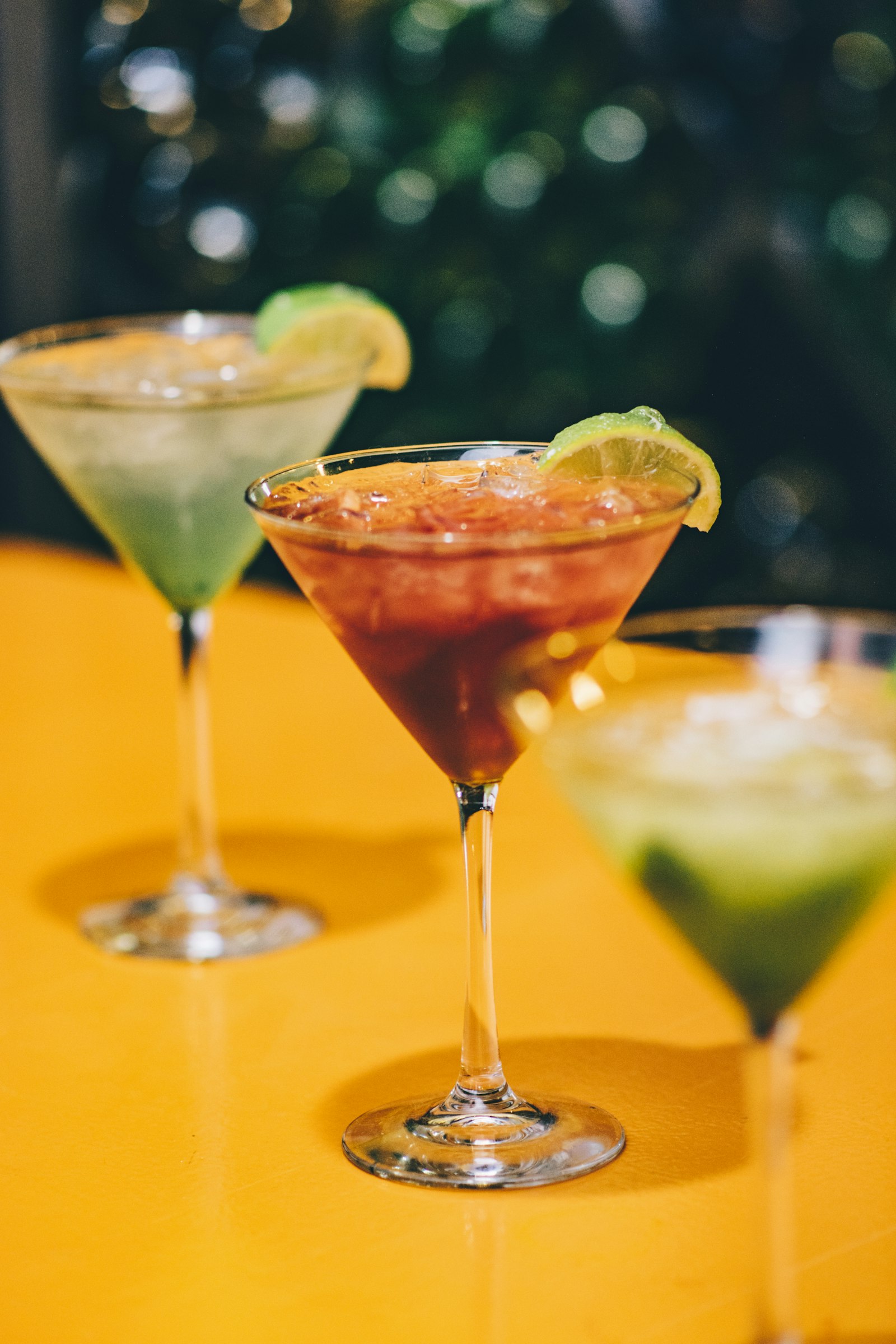
Beverages are one of the most flavor-driven categories because aroma and top notes are immediately noticeable. Whether it’s a fruit drink, carbonated soda, functional beverage, or milk tea, food flavors help brands achieve a stable sensory profile even when raw materials vary seasonally.
Common goals in beverage formulation include:
Enhancing fruit authenticity (e.g., “fresh-cut” citrus, ripe tropical notes).
Building mouthfeel perception (creaminess, thickness, smoothness).
Masking off-notes from vitamins, minerals, plant proteins, or sweeteners.
Maintaining flavor after processing (heat treatment, UHT, carbonation).
For beverage companies, the right flavor system can mean fewer consumer complaints, faster product iteration, and a stronger “house style” that customers recognize instantly.
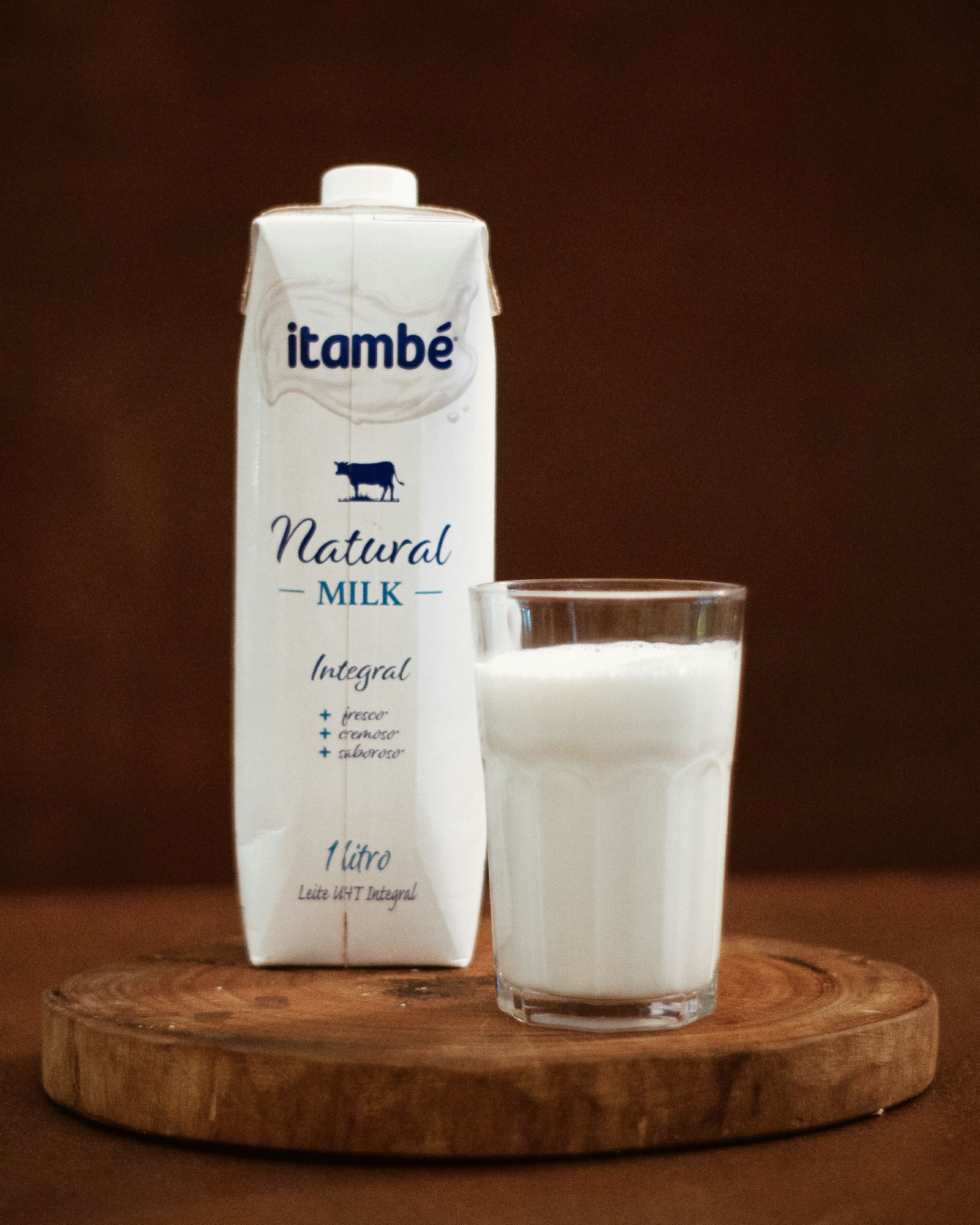
Food flavors in dairy products: creamier perception and better aroma release
Dairy is all about balance. Too little aroma and a product tastes flat; too much and it feels artificial. In yogurt, milk drinks, ice cream, and cheese-inspired products, food flavors are used to fine-tune the overall profile—making “milky” notes cleaner, fruit notes brighter, and indulgent notes richer.
Typical dairy applications include:
Fruit yogurt and stirred yogurt (strawberry, mango, peach, blueberry).
Milk beverages and lactobacillus drinks (fresh dairy notes plus fruit blends).
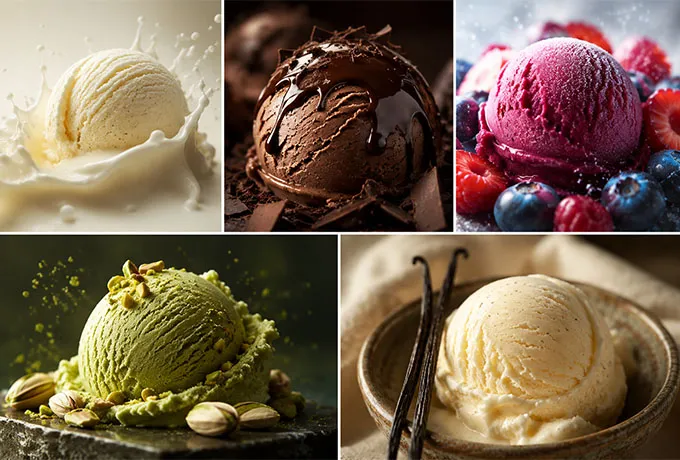
Ice cream and frozen desserts (vanilla, chocolate, nut, caramel, coffee).
Plant-based “dairy” alternatives where flavors help mask beany or green notes.
Dairy companies often look for flavors that perform well under cold storage and deliver a pleasing aroma as the product warms slightly during consumption. This is where professional flavor design becomes a noticeable competitive advantage.

Food flavors in bakery & confectionery: baked aroma, indulgence, and “fresh-from-oven” appeal
Few categories rely on aroma as much as bakery. The smell of butter, vanilla, cocoa, roasted nuts, or caramelized sugar can influence product appeal before the first bite. Carefully developed sweet flavors help bakery and confectionery manufacturers reproduce these sensory profiles consistently across large-scale production.
Where flavors add value in bakery and sweets:
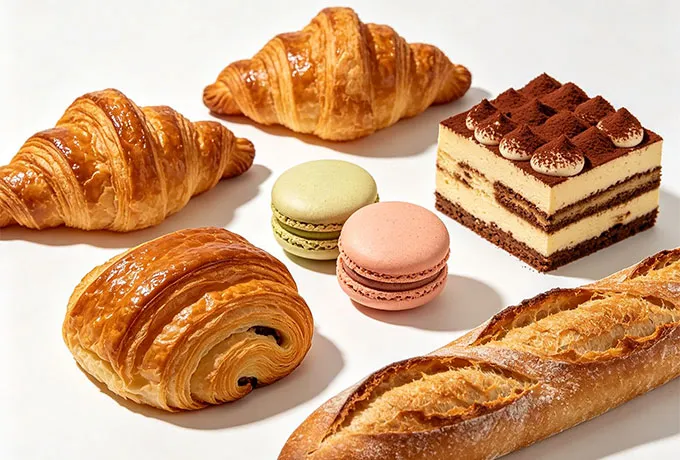
Cookies, cakes, wafers, and fillings (vanilla, butter, cream, fruit).
Chocolate and compound coatings (cocoa enhancement, dairy warmth, nuttiness).
Candies and gummies (fruit authenticity, cooling notes, long-lasting aroma).
Reduced-sugar formulas where flavors help maintain perceived sweetness and richness.
For brands selling through distributors and traders, selecting consistent bakery flavors is especially important for maintaining stable aroma and taste across production batches. This consistency helps reduce returns, protect brand reputation, and keep consumers coming back.
Food flavors in seasonings and savory foods: depth, balance, and regional preference
Savory applications demand complexity. In seasoning blends, sauces, instant foods, and snack coatings, food flavors help deliver depth (umami, roasted notes), round out harsh edges (saltiness, acidity), and support regional customization.
In many markets, successful savory products are the ones that feel “familiar but better.” Flavor solutions can be tailored for local preferences—such as roasted meat notes, onion and garlic impact, spicy layers, or seafood character—while keeping the profile stable in mass production.
For companies seeking reliable, scalable flavor solutions—from beverages and dairy to bakery, confectionery, and seasonings—working with a specialized manufacturer can make product development faster and more predictable.
David Xiang
I'm David Xiang, founder of Guangzhou FengRui Food Technology Co., Ltd., with over 20 years of experience in the food flavorings industry.
I stepped into the food flavoring industry back in my twenties. Today our team has grown to over a hundred employees, and our factory is equipped with full sets of automated production equipment. More than ten years of steady operation has made Guangzhou FengRui Food Technology a trusted choice for clients worldwide.
Drawing on my years of hands-on expertise in food fragrance and flavor development, I'll regularly share industry insights and practical professional knowledge in these articles, hoping to bring valuable references for your business in the food flavor field.